
 EN
EN
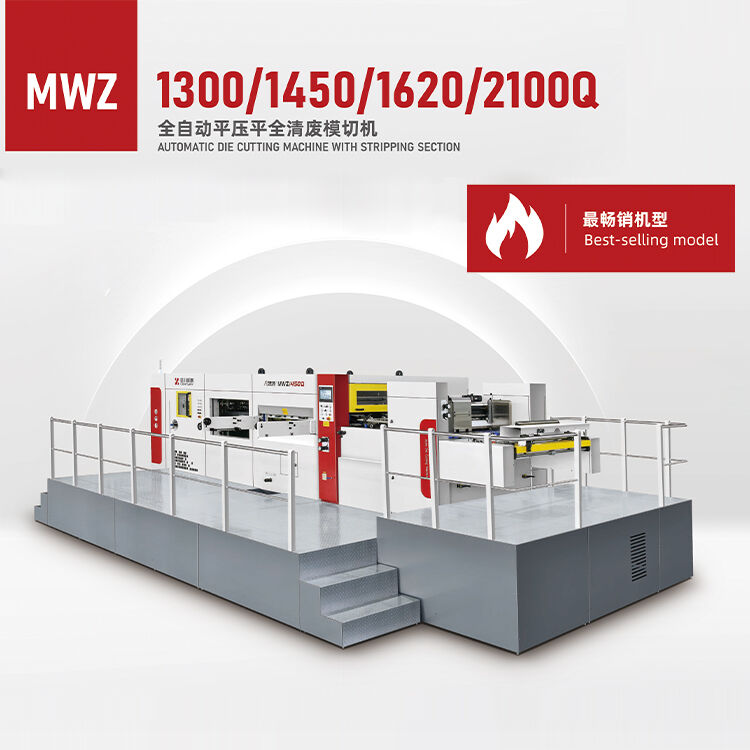
เครื่องตัดอุตสาหกรรม เช่น เครื่องตัดแบบแผ่นเรียบ (Flatbed Die Cutting Machine) และเครื่องตัดแบบแผ่นเรียบอัตโนมัติ (Auto Flatbed Die Cutting Machine) มีความสำคัญยิ่งต่อการดำเนินการตัดที่มีความแม่นยำ แต่ปัญหาที่เกิดขึ้นเป็นครั้งคราวอาจรบกวนประสิทธิภาพในการผลิต คู่มือนี้ให้แนวทางการแก้ไขปัญหาที่ใช้งานได้จริงสำหรับปัญหาทั่วไปที่ผู้ปฏิบัติงานและทีมบำรุงรักษาพบเจอ ไม่ว่าคุณจะเป็นผู้ปฏิบัติงานเครื่อง ผู้จัดการโรงงาน หรือผู้จัดจำหน่าย เคล็ดลับเชี่ยวชาญเหล่านี้จากประสบการณ์หลายทศวรรษของ CENTURY จะช่วยลดเวลาหยุดทำงานและรักษาประสิทธิภาพสูงสุดของอุปกรณ์เครื่องตัดของคุณ
ปัญหาทั่วไปและวิธีแก้ไขสำหรับเครื่องตัด
1. ปัญหาการป้อนวัสดุ
ปัญหาการป้อนวัสดุเป็นหนึ่งในปัญหาที่พบบ่อยที่สุดทั้งกับเครื่องตัดตายแบบโต๊ะเรียบ (flatbed die cutting machines) และเครื่องตัดตายแบบโต๊ะเรียบอัตโนมัติ (auto flatbed die cutting machines) ซึ่งอาจแสดงออกได้ในรูปของวัสดุไม่จัดแนวตรง ป้อนวัสดุไม่สม่ำเสมอ หรือไม่สามารถป้อนวัสดุเข้าเครื่องได้เลย
สาเหตุทั่วไป ได้แก่
- ลูกกลิ้งป้อนวัสดุสึกหรอหรือเสียหาย
- การตั้งค่าแรงตึงวัสดุไม่ถูกต้อง
- ระบบนำทาง (guide systems) ปรับตั้งไม่เหมาะสม
- สิ่งสกปรกสะสมอยู่ภายในกลไกการป้อนวัสดุ
แนวทางแก้ไขจากทีมเทคนิคของ CENTURY:
| ปัญหา | โซลูชัน |
|---|---|
| วัสดุลื่นไถล | เพิ่มแรงดันของลูกกลิ้ง หรือเปลี่ยนลูกกลิ้งที่สึกหรอ |
| การจัดตำแหน่งที่ไม่ถูกต้อง | ปรับตำแหน่งรางนำทาง (guide rails) และตรวจสอบเซ็นเซอร์ตรวจจับตำแหน่งวัสดุ |
| การป้อนผ้าไม่สม่ำเสมอ | ทำความสะอาดกลไกการป้อนวัสดุ และตรวจสอบการตั้งค่าแรงตึงวัสดุ |
2. ปัญหาคุณภาพการตัด
คุณภาพการตัดที่ไม่ดีสามารถส่งผลกระทบอย่างมากต่อประสิทธิภาพการผลิตและปริมาณของเสียจากวัสดุ อาการทั่วไป ได้แก่ การตัดไม่สมบูรณ์ ขอบที่หยาบ หรือความลึกของการตัดที่ไม่สม่ำเสมอทั่วทั้งวัสดุ
ปัจจัยหลักที่มีผลต่อคุณภาพการตัด:
- สภาพของอุปกรณ์ตัด (ความคมและความเท่ากันของแนวการตัด)
- การตั้งค่าแรงกดขณะตัด
- คุณสมบัติและขนาดความหนาของวัสดุ
- การ较准เครื่องจักร
ขั้นตอนการแก้ไขปัญหา:
- ตรวจสอบและเปลี่ยนอุปกรณ์ตัดที่ทื่นหรือเสียหาย
- ตรวจสอบและปรับแรงกดขณะตัดให้สอดคล้องกับข้อกำหนดของวัสดุ
- ตรวจสอบการปรับค่าเครื่องจักรโดยใช้รูปแบบการทดสอบมาตรฐาน
- มั่นใจว่าการตั้งค่าแรงกดตรงข้าม (counter pressure) เหมาะสมสำหรับวัสดุที่กำลังประมวลผล
3. ความผิดปกติของระบบไฟฟ้าและระบบควบคุม
เครื่องตัดแบบตายตัวสำหรับยานยนต์สมัยใหม่ใช้ระบบควบคุมที่ซับซ้อน ซึ่งอาจเกิดปัญหาขึ้นเป็นครั้งคราว ส่งผลต่อการดำเนินงานของเครื่องจักร
ปัญหาด้านไฟฟ้าที่พบบ่อย ได้แก่:
- การหยุดทำงานของเครื่องจักรอย่างไม่คาดคิด
- พฤติกรรมของแผงควบคุมที่ผิดปกติ
- เซ็นเซอร์ล้มเหลว
- ปัญหาการควบคุมมอเตอร์
วิธีการวินิจฉัย:
| อาการ | สาเหตุที่เป็นไปได้ | ข้อแนะนำในการปฏิบัติ |
|---|---|---|
| เครื่องจักรไม่สามารถสตาร์ตได้ | ปัญหาแหล่งจ่ายไฟ ระบบล็อกความปลอดภัย และความล้มเหลวของระบบควบคุม | ตรวจสอบการเชื่อมต่อแหล่งจ่ายไฟ ตรวจสอบสวิตช์ความปลอดภัย และศึกษาคู่มือเทคนิค |
| การดำเนินงานที่ไม่สม่ำเสมอ | เซ็นเซอร์เสีย ข้อต่อหลวม หรือข้อผิดพลาดของซอฟต์แวร์ | ตรวจสอบเซ็นเซอร์ ตรวจสอบสายไฟ และรีเซ็ตระบบ |
4. การบำรุงรักษาเชิงป้องกันสำหรับเครื่องตัดตาย (Die Cutting Machines)
การบำรุงรักษาเป็นประจำมีความสำคัญอย่างยิ่งในการป้องกันปัญหาทั่วไปหลายประการที่เกิดกับอุปกรณ์อุตสาหกรรมสำหรับการตัดตาย (die cutting) CENTURY ขอแนะนำตารางการบำรุงรักษาต่อไปนี้เพื่อประสิทธิภาพสูงสุด:
งานบำรุงรักษาประจำวัน:
- ทำความสะอาดพื้นผิวของเครื่องและกำจัดเศษสิ่งสกปรก
- หล่อลื่นชิ้นส่วนที่เคลื่อนไหวตามที่ระบุไว้ในคู่มือ
- ตรวจสอบเครื่องมือตัดว่ามีการสึกหรอหรือเสียหายหรือไม่
ขั้นตอนการบำรุงรักษาทุกเดือน:
- ตรวจสอบและปรับการจัดแนวเชิงกลทั้งหมด
- ตรวจสอบการเชื่อมต่อและสายไฟฟ้า
- ตรวจสอบการปรับค่าเทียบเคียงของเซ็นเซอร์และระบบควบคุม
- ทดสอบระบบความปลอดภัยและฟังก์ชันหยุดฉุกเฉิน
สรุปและขั้นตอนต่อไป
การวิเคราะห์ปัญหาและการบำรุงรักษาเครื่องตัดตายแบบโต๊ะเรียบ (flatbed die cutting machine) หรือเครื่องตัดตายแบบโต๊ะเรียบอัตโนมัติ (auto flatbed die cutting machine) อย่างเหมาะสม สามารถลดเวลาที่เครื่องหยุดทำงานได้อย่างมาก และเพิ่มประสิทธิภาพในการผลิตให้สูงขึ้น โดยการปฏิบัติตามคำแนะนำจากผู้เชี่ยวชาญของ CENTURY ซึ่งมีประสบการณ์อันยาวนานในอุตสาหกรรมนี้ คุณจะสามารถรักษาเครื่องจักรของคุณให้อยู่ในสภาพการทำงานที่ดีที่สุดได้
สำหรับปัญหาที่ซับซ้อนหรือเมื่อไม่แน่ใจเกี่ยวกับวิธีการแก้ไข โปรดติดต่อทีมสนับสนุนทางเทคนิคของ CENTURY เสมอ ผู้เชี่ยวชาญของเราสามารถให้แนวทางแก้ไขที่ออกแบบมาเฉพาะสำหรับรุ่นเครื่องตัดตายของคุณและข้อกำหนดการใช้งานที่เฉพาะเจาะจง
ติดต่อ CENTURY วันนี้เพื่อนัดหมายบริการบำรุงรักษาโดยผู้เชี่ยวชาญ หรือเพื่อหารือเกี่ยวกับการอัปเกรดไปยังเครื่องตัดตายรุ่นล่าสุดของเรารุ่นใหม่ที่ออกแบบมาเพื่อความน่าเชื่อถือและความแม่นยำสูง